Eye Examinations
When Should You Get an Eye Examination?
Many eye conditions cause no symptoms in their early stages. This guide explains recommended intervals and the reasons to book sooner.
By Dr. Claire WhitmorePublished Updated 4 min read
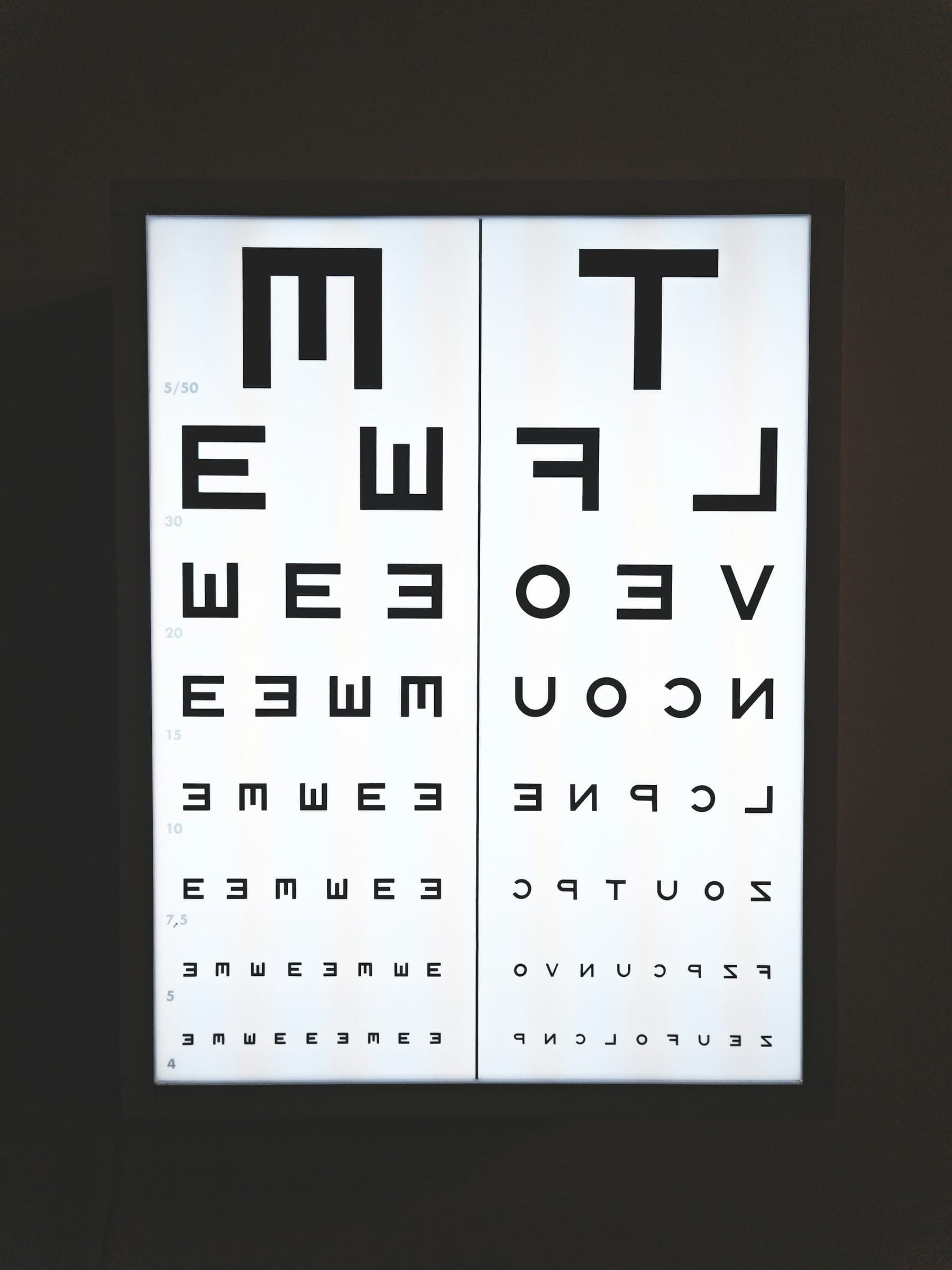
Eye examinations are not just about updating glasses. They are one of the best ways to detect conditions such as glaucoma, diabetic retinopathy and macular degeneration early, often before symptoms appear.
How often should adults have an eye test?
Many adults without risk factors are advised to have an examination every one to two years. Your clinician will recommend an interval based on your age, health and eye history.
Who needs more frequent checks?
- People with diabetes.
- Anyone with a family history of glaucoma.
- Adults over 60.
- People with high blood pressure or other systemic conditions.
- Anyone with an existing eye condition or previous eye surgery.
Reasons to book sooner
- Blurred or changing vision.
- Frequent headaches or eye strain.
- Difficulty seeing at night.
- New floaters or flashes of light (seek urgent assessment).
A sudden loss of vision, a curtain across your vision, or a painful red eye is an emergency. Seek immediate care.
Related treatment
Comprehensive Eye Examinations