Glaucoma
Common Symptoms of Glaucoma — and Why Many People Have None
Glaucoma is often called the 'silent thief of sight'. Learn which forms cause symptoms, which do not, and how it is detected.
Glaucoma damages the optic nerve, which carries visual information to the brain. Because the most common form progresses slowly and painlessly, it is frequently detected at routine eye examinations rather than because of symptoms.
Open-angle glaucoma
This form typically affects peripheral vision first. The brain compensates well, so changes often go unnoticed until significant damage has occurred.
Angle-closure glaucoma
- Sudden, severe eye pain.
- Red eye with blurred vision.
- Halos around lights.
- Headache, nausea or vomiting.
These symptoms can indicate acute angle-closure glaucoma, which is a medical emergency. Seek immediate care.
How is glaucoma detected?
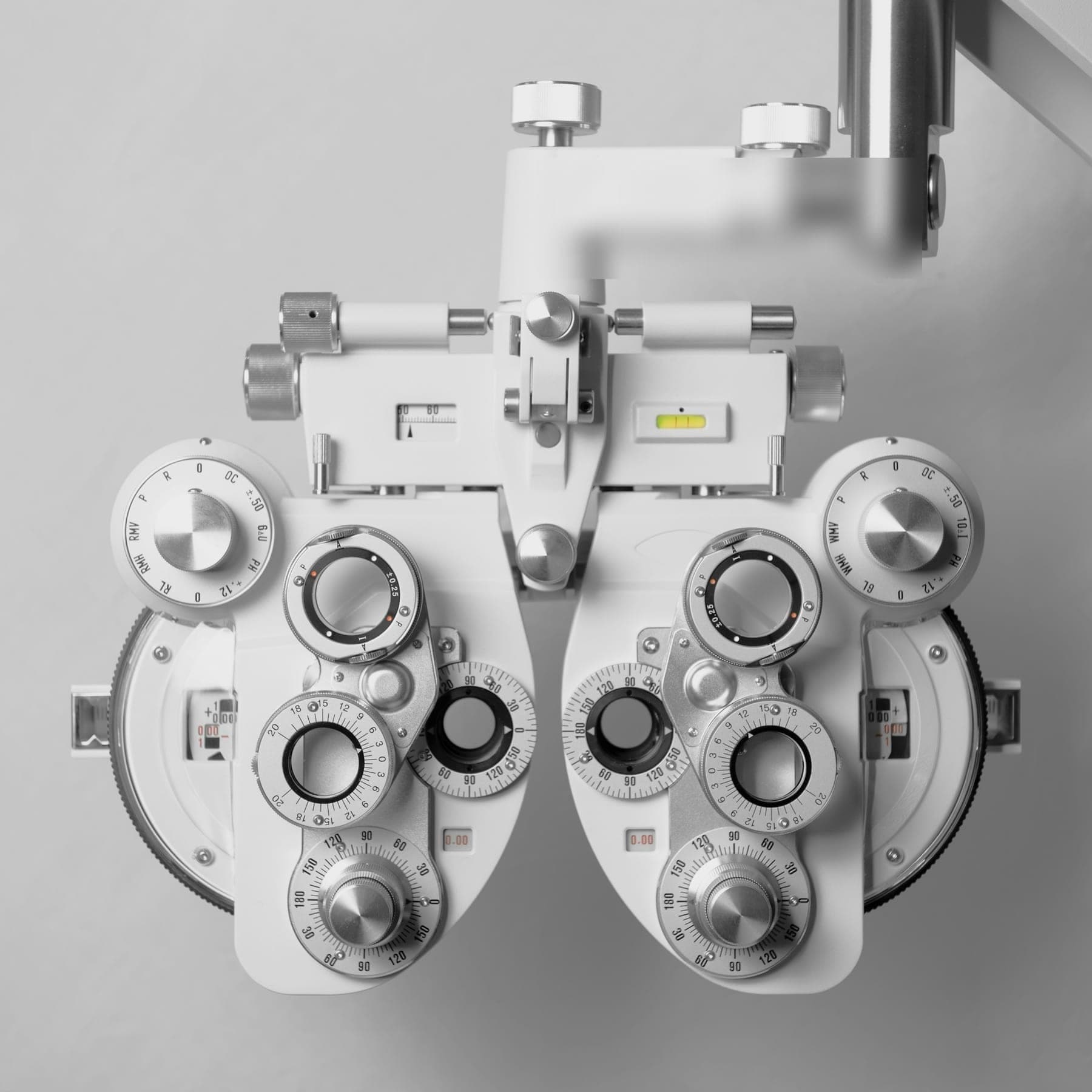
Detection combines eye pressure measurement, optic nerve examination, OCT imaging and visual field testing. People with a family history should discuss screening intervals with their eye care professional.
Related treatment
Glaucoma Management