Refractive Surgery
Understanding LASIK Surgery: Suitability, Process and Recovery
LASIK can reduce dependence on glasses for many people, but it is not right for everyone. Here is how suitability is assessed.
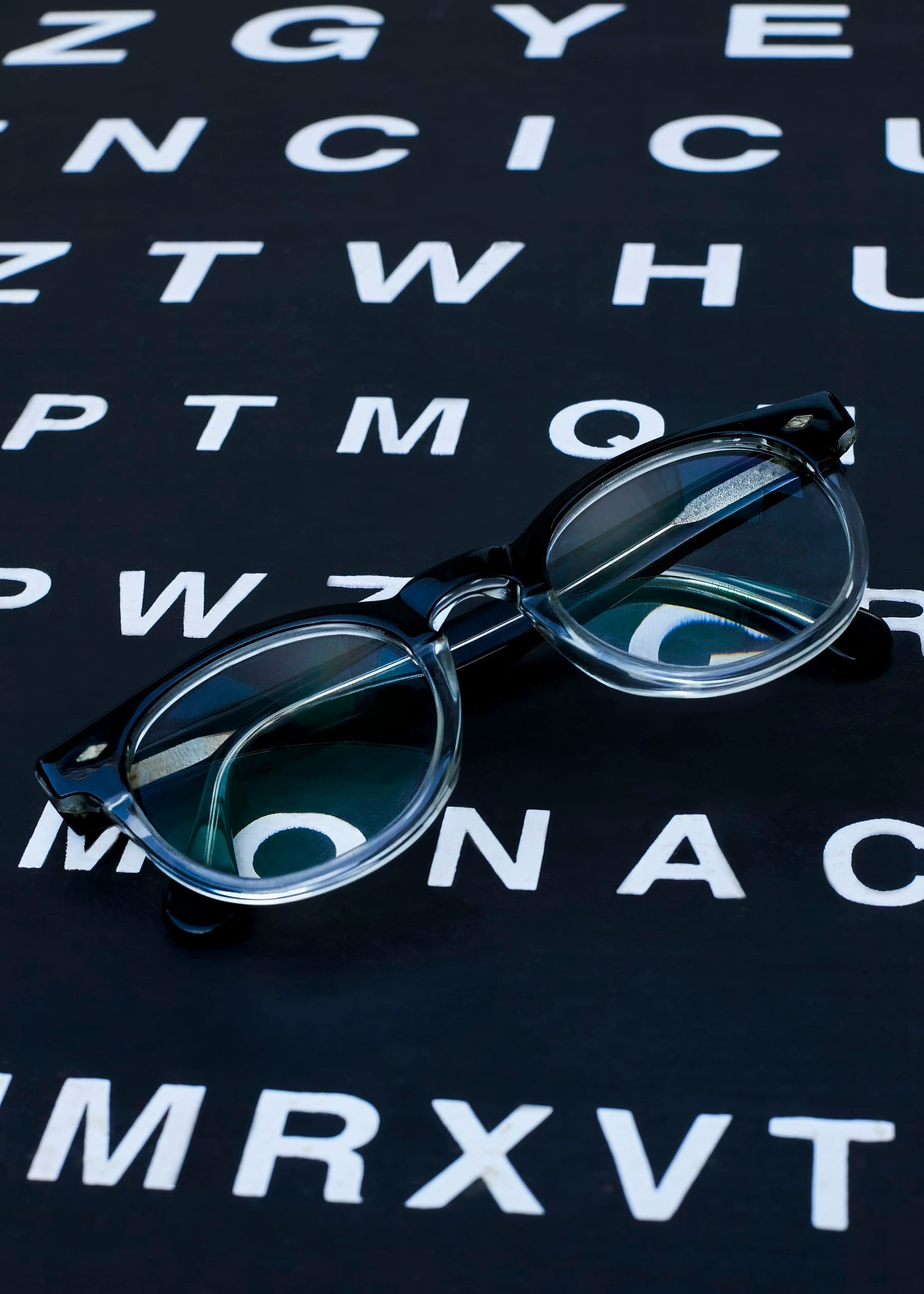
LASIK (laser-assisted in situ keratomileusis) is a laser procedure that reshapes the cornea so light focuses more accurately on the retina. It is used to treat short-sightedness, long-sightedness and astigmatism.
Am I a good candidate?
- You are usually over 18 with a stable prescription for at least a year.
- Your corneas are of sufficient thickness and regular shape.
- Your eyes are otherwise healthy.
- You have realistic expectations about outcomes.
What happens during screening?
Screening includes corneal mapping, precise prescription measurement, tear film assessment and a dilated eye examination. It can take around two hours, and you should not drive afterwards.
What is recovery like?
Many people notice clearer vision within a day or two, although vision continues to settle over several weeks. Dryness and light sensitivity are common initially. Your surgeon will provide specific aftercare instructions.
If LASIK is not suitable, alternatives such as surface laser or implantable lenses may be discussed — or continued glasses and contact lenses may remain the best choice.
Related treatment
LASIK & Refractive Surgery